
How to Get Your Tee Shirt Graphic Right for Branded Merchandise
Learn how to create the perfect tee shirt graphic for branded merch — covering artwork, decoration methods, and ordering tips for Australian businesses.

Written by
Liam Nakamura
Custom Apparel
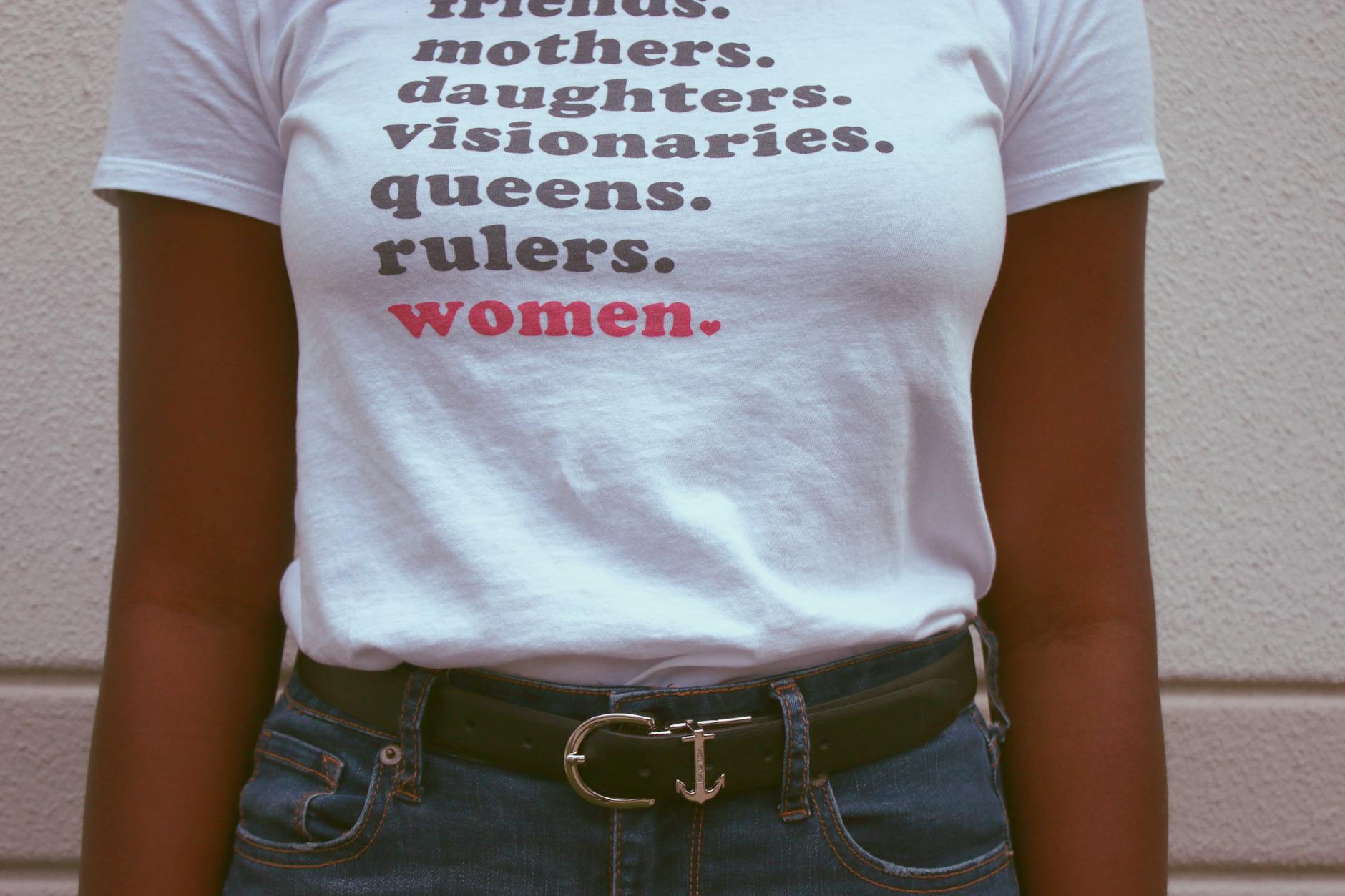
Getting a tee shirt graphic right can feel deceptively simple — until you’re staring at a pixelated logo stretched across the chest of 200 event shirts that definitely weren’t supposed to look like that. Whether you’re an event organiser putting together a corporate team uniform, a business planning branded merchandise for a trade show, or a brand manager overseeing a large-scale promotional campaign, the quality of your tee shirt graphic will make or break the final product. In Australia’s competitive branded merchandise landscape, where first impressions genuinely matter, understanding the process from artwork preparation through to decoration method selection is absolutely essential.
What Makes a Strong Tee Shirt Graphic?
A great tee shirt graphic is not just about having a good logo. It’s about ensuring that logo — or design — translates effectively onto fabric. There are several key characteristics that define a print-ready graphic for apparel.
Artwork Resolution and File Format
One of the most common issues suppliers encounter when receiving artwork from clients is low-resolution files. For screen printing and digital printing, vector files (AI, EPS, or SVG formats) are strongly preferred because they can be scaled infinitely without any loss of quality. Raster files (JPEG, PNG, TIFF) are sometimes workable but must be at least 300 DPI at the intended print size — ideally higher.
A business in Sydney submitting a PNG logo pulled from their website will almost certainly run into problems. Website images are typically saved at 72 DPI, which looks fine on screen but prints soft and blurry at size. If you don’t have access to vector artwork, ask your graphic designer or your promotional products supplier to redraw the logo before production begins.
Colour Considerations
Colour accuracy is another area where tee shirt graphics can go wrong quickly. If your brand has specific Pantone (PMS) colours, communicate these clearly to your decorator. Screen printing allows for precise PMS colour matching, which is why it remains the gold standard for corporate and branded apparel. Digital printing (DTG — direct to garment) offers more flexibility for complex, photographic designs but may not achieve the same level of colour precision on darker fabrics.
It’s also worth understanding how your chosen t-shirt colour will affect the graphic. A pale yellow logo on a white tee is going to disappear. Conversely, bright colours on a black shirt can really pop — but may require an underbase print layer, which adds to the cost and slightly affects the hand-feel of the finished product.
Choosing the Right Decoration Method for Your Tee Shirt Graphic
Once your artwork is ready, the next major decision is how that graphic gets onto the garment. Different decoration methods suit different types of artwork, order sizes, and budgets.
Screen Printing
Screen printing is the most widely used method for applying a tee shirt graphic in Australia, particularly for bulk orders. It involves creating a separate screen for each colour in your design, then pushing ink through those screens onto the fabric. The result is vibrant, durable, and cost-effective at volume.
Screen printing works best with designs that have a limited number of solid colours — typically one to six. It’s ideal for corporate team shirts, event merchandise, sporting club apparel, and conference giveaways. A Melbourne company ordering 150 polo shirts with a two-colour chest logo would be a perfect candidate for screen printing. For a deeper look at the ink options involved, our guide on water-based vs plastisol ink for screen-printed t-shirts covers the key differences in feel, durability, and environmental impact.
Minimum order quantities for screen printing typically start at around 20–50 units per design, though some suppliers will accommodate smaller runs at a higher per-unit cost due to setup fees.
Embroidery
Embroidery is a premium alternative to printing, particularly suited to polo shirts, caps, workwear, and corporate uniforms. Rather than ink, your tee shirt graphic is rendered in thread, giving the finished product a high-quality, textured appearance.
The key limitation with embroidery is complexity. Designs with fine detail, gradients, or very small text don’t translate well into stitched form. Bold, simplified logos tend to work best. Embroidery is typically priced per thousand stitches, so larger and more detailed designs cost more to produce.
Heat Transfer and Sublimation
Heat transfer is a versatile option for smaller runs or designs with multiple colours and gradients. It involves printing a design onto transfer paper or film and then applying it to the garment using heat and pressure. Sublimation, a specific form of heat transfer, bonds dye directly into the fabric at a molecular level — producing incredibly vibrant, wash-resistant results. However, sublimation only works on light-coloured, 100% polyester garments.
For event organisers needing small quantities of a complex tee shirt graphic quickly, heat transfer can be a practical solution, though it doesn’t have the same longevity as screen printing for high-wash items.
Planning Your Tee Shirt Graphic Order: Practical Tips
With your artwork and decoration method sorted, it’s time to think carefully about the broader ordering process. There are a few areas where being organised upfront will save you time, money, and stress.
Understand Turnaround Times
Standard production turnaround for custom printed tees in Australia is typically 7–15 business days after artwork approval. Rush services are available from some suppliers, but expect to pay a premium. If you’re ordering for a trade show, conference, or event, always build in buffer time. Checking out resources on trade show promotional items and trade show stand setup can help you think about how branded tees fit into your broader event strategy.
Budget Realistically
The per-unit price of custom tees drops significantly with volume. At 50 units, you might pay $18–$25 per shirt depending on the garment brand and print complexity. At 500 units, that same shirt could fall to $8–$14. Setup fees for screen printing typically range from $30–$60 per colour, so single-colour simple designs are the most cost-efficient option for smaller budgets.
Don’t forget to factor in the cost of samples. Most reputable suppliers will provide pre-production samples or digital mockups for approval, but physical samples on the actual garment may incur a small fee. It’s absolutely worth it for large orders.
Sizing and Fit
For corporate or event apparel, always provide a sizing breakdown rather than ordering one generic size. Australian sizing conventions can vary between garment brands, so request a size chart from your supplier and encourage recipients to check it. Ordering a mix of XS through to 4XL, weighted towards the middle of the range (M, L, XL), is a common approach for mixed audiences.
Tee Shirt Graphics in a Broader Branded Merchandise Strategy
Branded t-shirts rarely exist in isolation. They’re typically part of a broader merchandise kit or campaign that might include drinkware, bags, stationery, and other promotional products. Thinking about how your tee shirt graphic relates to the rest of your branded collateral ensures visual consistency across your whole campaign.
For trade show and expo contexts, tees are often paired with items like wristbands for events, promotional products for businesses in the Whitsundays for tourism-focused campaigns, or even tech items like promotional USB drives in Sydney for corporate conferences. If you’re building a complete merch package, working with a reliable promotional products supplier who can coordinate multiple categories under one order is far more efficient than managing multiple vendors.
Other items that complement branded tees in corporate or event settings include branded gym towels, personalised toiletry bags, and promotional water bottles. If sustainability is a priority for your brand, you might also explore eco-friendly branded merchandise options that align with your environmental commitments.
For events with display components, don’t overlook how your branded environment works alongside your apparel — trade show booth display ideas and signage in Brisbane are worth exploring if you want a cohesive brand presence from staff shirts to display banners. Branded tablecloths and sticker and note products can also tie the overall look together nicely.
Common Mistakes to Avoid
Even experienced buyers sometimes fall into the same traps when ordering custom tees. Here are the most common ones to watch out for:
- Submitting low-resolution artwork — Always provide vector files where possible
- Skipping the proof approval — Never go to print without approving a digital or physical proof
- Underestimating lead times — Production plus delivery can take two to three weeks; plan accordingly
- Ignoring garment quality — The shirt itself matters as much as the graphic; cheap blanks tend to shrink, fade, or pill quickly
- Over-complicating the design — Simpler graphics print more cleanly and cost less to produce
Conclusion: Key Takeaways for a Better Tee Shirt Graphic
Getting your tee shirt graphic right is a process that starts long before the printing press — it begins with quality artwork, thoughtful design decisions, and a clear understanding of how different decoration methods work. Whether you’re outfitting a corporate team in Adelaide, preparing giveaway tees for a Brisbane expo, or creating merchandise for a Perth company event, these fundamentals apply across the board.
Here’s a quick summary of the most important things to remember:
- Use vector artwork wherever possible — it scales without quality loss and is the industry standard for apparel decoration
- Match your decoration method to your design — screen printing suits bold, limited-colour logos; heat transfer and DTG suit complex or photographic designs
- PMS colour matching matters — specify your brand colours precisely to avoid disappointment on press
- Plan for turnaround time — build at least two to three weeks into your timeline after artwork approval
- Think about the full merchandise picture — branded tees work best as part of a cohesive campaign that includes complementary products and consistent visual branding