
What to Look for in a Printing Shop for Branded Merchandise in Australia
Discover how Australian businesses can choose the right printing shop for branded merchandise, from decoration methods to turnaround times.

Written by
Georgia Park
Branding & Customisation
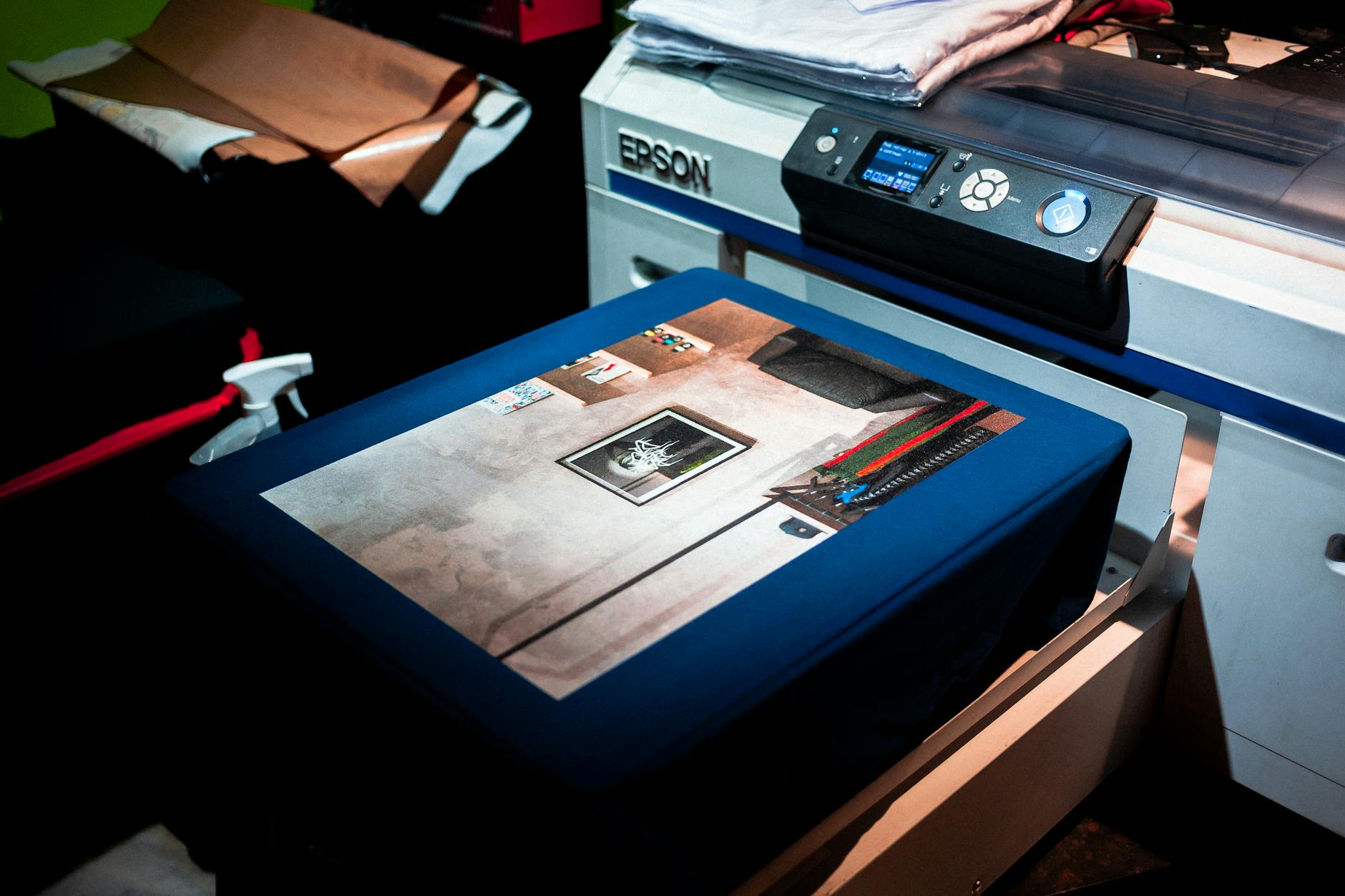
Finding the right printing shop for your branded merchandise can feel like navigating a maze — especially when you’re under pressure to deliver quality products on time and within budget. Whether you’re a Sydney-based corporate team ordering custom polo shirts for a conference, a Melbourne event organiser sourcing branded tote bags, or a Brisbane council preparing promotional materials for a community campaign, the printing partner you choose will directly affect the outcome of your project. Not all print shops are created equal, and understanding what separates a great supplier from a frustrating one can save you significant time, money, and stress.
What Does a Printing Shop Actually Do?
When most people hear “printing shop,” they think of flyers and business cards. But in the world of branded merchandise and promotional products, a printing shop refers to any supplier or production facility equipped to apply your logo, artwork, or message onto physical products — from apparel and drinkware to stationery and signage.
A quality printing shop in the merchandise space will typically offer a range of decoration methods, including:
- Screen printing — ideal for bulk apparel orders with bold, flat colour designs
- Embroidery — best suited to polos, caps, and workwear where a professional, textured finish is desired
- Sublimation printing — used for full-colour, all-over designs on polyester garments and ceramic drinkware
- Laser engraving — a premium finish for metal drinkware, timber products, and awards
- Pad printing — versatile technique commonly used on pens, USB drives, and small promotional items
- Digital printing — great for short runs and complex, photographic-quality artwork
Understanding which method suits your products and artwork is the first step in choosing the right printing shop for your needs. If you want to dig deeper into choosing between decoration techniques, our guide on water-based vs plastisol ink for screen printed t-shirts is a great place to start.
Key Qualities to Look for in a Printing Shop
1. Decoration Method Expertise
The best printing shops don’t just offer one or two decoration methods — they have genuine expertise across multiple techniques and can advise you on what works best for your specific product and artwork. A shop that only does screen printing may push you towards that method even when embroidery or laser engraving would produce a superior result.
Ask potential suppliers which methods they perform in-house versus which they outsource. In-house production typically means better quality control, faster turnaround times, and more responsive communication when something needs to be adjusted.
2. Product Range and Sourcing Capability
Beyond decoration, a strong printing shop will either stock a wide range of blank products or have established relationships with quality wholesalers. This matters because you want a single point of contact for both product sourcing and branding — rather than buying blank goods yourself and then organising separate printing.
Look for suppliers who can handle everything from custom branded water bottles and keep cups through to USB drives, sticky notes, and premium gifting items. A broad product range means you can consolidate multiple merchandise needs under one reliable supplier.
3. Minimum Order Quantities (MOQs)
MOQs vary significantly between printing shops and between product categories. Screen printing on apparel often starts at 12–24 pieces per design and colour combination, while embroidery runs can sometimes start from as few as 6 pieces. Pad printed pens may require 250 units as a minimum.
If you’re a small business or charity running a modest campaign, it’s worth finding a printing shop that caters to lower volume orders — even if the per-unit cost is higher. Conversely, if you’re ordering at scale (say, 500+ items for a Perth trade show), you’ll want a supplier with strong bulk pricing tiers and the production capacity to fulfil large orders reliably. Understanding how pricing scales is also covered in our overview of cheap promotional products in Australia.
4. Artwork Requirements and Proof Process
Professional printing shops have clear artwork requirements and a structured proof approval process. Before production begins, you should receive a digital mockup or physical sample showing exactly how your branding will appear on the final product. Reputable suppliers will check your artwork for resolution, colour accuracy (including PMS colour matching where applicable), and placement before sending through a proof.
Be wary of any printing shop that skips the proof step or rushes you into approving artwork without reviewing it carefully. Mistakes caught at the proof stage are easy and free to fix — mistakes that make it into production can cost you an entire reorder.
5. Turnaround Times and Rush Options
Standard production turnaround for most branded merchandise ranges from 7 to 15 business days once artwork is approved. However, many printing shops offer rush production services for urgent campaigns — sometimes as fast as 3–5 business days, usually at a premium.
If your event has a fixed deadline (a Canberra government expo, an Adelaide conference, a Gold Coast charity gala), make sure you clarify turnaround expectations upfront and factor in freight time. A printing shop that promises fast delivery but is vague about production timelines is a red flag.
What to Order From a Printing Shop: Popular Categories
Branded Apparel and Uniforms
Custom apparel remains the most popular category ordered through printing shops. T-shirts, polos, hoodies, and caps are perennial favourites for corporate teams, sporting clubs, and event staff. Screen printing works exceptionally well for simple, bold logos on t-shirts, while embroidery is the preferred choice for polos and workwear where durability and a polished look matter most.
For event organisers planning outdoor activations, consider branded gym towels or performance wear — both of which photograph well and carry branding effectively.
Signage and Displays
A full-service printing shop will often handle event signage alongside merchandise. If you’re setting up a display at a trade show or expo, coordinated signage and branded merchandise create a cohesive brand presence. Our guides on trade show booth display ideas, trade show stand setup, and signs in Brisbane offer practical advice on getting your visual presence right.
Corporate Gifts and Promotional Items
Many businesses turn to printing shops for end-of-year corporate gifts and campaign giveaways. Popular options include branded drinkware (our research on promotional drinkware in Australia shows strong recipient engagement), Stanley-style insulated cups, stickers and notepads, and even novelty items like branded lollies and promotional popcorn for seasonal gifting.
For brands committed to sustainability, ask your printing shop about eco-friendly product options. From bamboo pens to recycled tote bags, there’s a growing range of sustainable branded merchandise available through progressive suppliers.
Trade Show and Event Merchandise
Events and trade shows demand a mix of eye-catching giveaways, functional items, and branded wearables. A printing shop experienced in event merchandise will understand the logistics of bulk delivery, coordinate multiple product categories under one brief, and advise on what types of items drive genuine engagement. Take a look at our roundup of trade show promotional items for inspiration, as well as ideas for event wristbands as functional branded accessories.
How to Compare Printing Shops: A Practical Checklist
When you’re evaluating your options, use this checklist to assess potential suppliers:
- Do they offer the decoration method best suited to your product?
- What is their minimum order quantity for the products you need?
- Can they provide physical samples or pre-production digital proofs?
- What are their standard and rush turnaround times?
- Do they have experience with your industry or event type?
- Are their pricing structures transparent, including setup fees?
- Do they have a dedicated account manager or customer service contact?
- Can they handle delivery to multiple locations (e.g. state offices across Australia)?
- Do they offer eco-friendly or sustainably sourced product options?
Don’t be afraid to ask for references or examples of past work. A confident, professional printing shop will be happy to share samples or case studies from clients in similar sectors.
Working With a Promotional Products Supplier vs. a Traditional Print Shop
It’s worth distinguishing between a traditional high-street printing shop (primarily focused on business cards, flyers, and signage) and a promotional products supplier specialising in branded merchandise. While there’s overlap, the latter typically offers a far broader product range, stronger logistics capability for bulk orders, and deeper expertise in the specific needs of corporate teams and event organisers.
For one-off print jobs or small quantities of stationery, a local print shop may be sufficient. But for branded merchandise campaigns — particularly those involving multiple product categories, large volumes, or tight deadlines — partnering with a specialist promotional products supplier will generally deliver better outcomes.
Specialty categories like promotional cutting boards or niche merchandise items are often better handled by promotional specialists who understand the unique decoration requirements and can source the right blank products at competitive prices.
Conclusion: Choosing the Right Printing Shop for Your Brand
Whether you’re preparing for a major national conference, building out a corporate gifting programme, or sourcing merchandise for your next event, the printing shop you choose will shape the quality and impact of your branded goods. Making the right decision comes down to asking the right questions, understanding your own brief, and partnering with suppliers who have genuine expertise in branded merchandise.
Here are the key takeaways to keep in mind:
- Verify decoration method expertise — make sure your printing shop can recommend and execute the best technique for your specific products and artwork.
- Clarify MOQs and pricing tiers upfront — understand what you’re committing to before you place an order, especially for first-time campaigns.
- Never skip the proof stage — always review and approve artwork before production begins to avoid costly errors.
- Factor in turnaround time and freight — build realistic timelines into your project planning, particularly if your event has a fixed date.
- Consider a promotional products specialist — for multi-product merchandise campaigns, a dedicated promotional products supplier will typically outperform a general-purpose printing shop in both range and service quality.