
Business Cards Printing Guide: Design Tips for Professional Impact
Learn how to create memorable business cards through professional printing that reflects your brand and leaves lasting impressions.

Written by
Charlotte Hassan
Stationery & Office
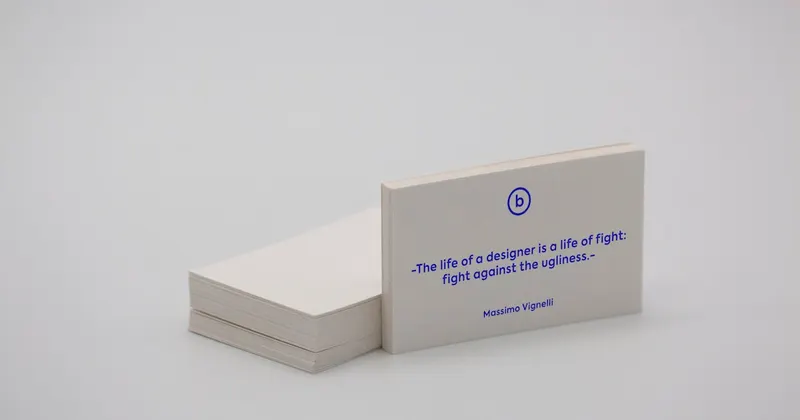
Business cards printing remains one of the most enduring and effective tools in a professional’s arsenal — and in today’s crowded marketplace, getting yours right matters more than ever. Whether you’re a Sydney-based financial adviser heading to a networking event, a Melbourne startup founder attending your first trade show, or a Brisbane real estate agent wanting to leave a lasting impression, a well-designed, professionally printed business card communicates credibility before you’ve said a single word. Yet with so many options available — different stocks, finishes, sizes, and decoration methods — knowing where to start can feel overwhelming. This guide cuts through the noise and gives you everything you need to make smart decisions about business cards printing in Australia.
Why Business Cards Still Matter in a Digital World
It’s tempting to assume that in the age of LinkedIn and digital contact sharing, the humble business card has lost its relevance. The data tells a different story. Studies consistently show that physical cards are retained, passed on, and remembered far more effectively than digital contacts saved in the heat of a busy event. There’s a tactile, personal quality to handing someone a well-crafted card that no QR code or NFC tap can fully replicate.
For Australian businesses — particularly those operating in relationship-driven industries like real estate, finance, legal services, healthcare, and construction — business cards remain a core part of professional identity. A Perth engineering firm attending an industry expo, a Canberra government contractor meeting new stakeholders, or a Gold Coast hospitality business onboarding new corporate clients all share the same fundamental need: a professional, memorable first impression.
Business cards also complement your broader branded merchandise strategy. Just as affordable branded merchandise helps real estate professionals stand out in competitive markets, a polished business card reinforces the same brand story at a personal level. Together, they create a cohesive, professional image that builds trust.
Understanding Your Business Cards Printing Options
Before you place an order, it’s worth understanding the key decisions you’ll need to make. Business cards printing isn’t a one-size-fits-all process. The choices you make around stock, finish, size, and quantity will significantly affect your final result — and your budget.
Paper Stock and Card Weight
Card stock is measured in GSM (grams per square metre). Standard business cards typically run at 350–400 GSM, which provides a solid, professional feel without being impractical to carry in a wallet or card holder. Premium options include:
- Thick matte stock (450–600 GSM): Luxurious and substantial, often used by law firms, architects, and premium hospitality brands.
- Kraft or recycled stock: Popular with eco-conscious brands, charities, and organisations focused on sustainability. These have a natural, textured look that stands out.
- Plastic or PVC cards: Waterproof and durable, ideal for trades businesses, outdoor event companies, or anyone working in environments where paper cards can quickly deteriorate.
- Soft-touch laminate: A velvety finish that makes cards feel premium and helps them resist fingerprints.
Finishes and Special Effects
The finish on your card can elevate a standard design to something genuinely memorable. Common finishing options include:
- Gloss laminate: Vivid, high-shine finish that makes colours pop.
- Matte laminate: Understated, modern look favoured by professional services and creative industries.
- Spot UV: A glossy coating applied selectively to specific design elements — logos, names, or patterns — creating a striking contrast against matte backgrounds.
- Foil stamping: Gold, silver, or coloured metallic foil applied to design elements for a premium, eye-catching effect.
- Embossing and debossing: Raised or recessed text and logos that add a tactile dimension. Similar to how debossing adds a premium feel to branded notebooks and leather goods, these techniques work beautifully on business cards.
- Edge painting: Coloured ink applied to the edges of thick cards, creating a bold visual detail when the card is viewed side-on.
Size and Shape
Standard Australian business card dimensions are 90mm x 55mm — and there’s good reason this format has endured. It fits standard card holders, wallets, and filing systems. That said, die-cut shapes, rounded corners, square cards, and folded cards are all options worth considering if you want to stand out, particularly at trade shows or expos where your card will be competing with dozens of others on a table.
Business Cards Printing: Practical Ordering Advice
Once you’ve settled on the look and feel you’re after, there are several practical considerations that will help your order go smoothly.
Minimum Order Quantities and Pricing
Most professional printers have a minimum order quantity (MOQ) for business cards, typically starting at 100–250 units. The price per card drops significantly as quantities increase, so if you’re ordering for a team — say, a Melbourne corporate team of 20 staff attending a conference — consolidating the order into a single print run often delivers meaningful savings.
It’s also worth understanding setup fees. Digital printing (suitable for small runs) typically has lower or no setup costs, while offset printing (which produces superior colour accuracy for larger runs) involves setup fees that are offset by lower per-unit costs at volume.
Artwork Requirements and Proof Approval
Professional printers will typically require your artwork as a print-ready PDF with:
- Bleed: At least 3mm beyond the trim line to prevent white edges after cutting.
- Safe zone: Keep text and critical design elements at least 3mm inside the trim line.
- Colour mode: CMYK, not RGB. If your brand has specific PMS (Pantone Matching System) colours, request PMS colour matching to ensure accuracy.
- Resolution: Minimum 300 DPI for sharp, professional results.
Always request a digital proof before approving your order, and if the quantity or quality justifies it, request a physical sample. This is especially important if you’re using special finishes or effects for the first time.
Turnaround Times
Standard turnaround for business cards printing in Australia is typically 3–7 business days. Express or same-day printing is available in major cities like Sydney, Melbourne, and Brisbane, usually at a premium. If you’re ordering ahead of a conference, trade show, or event, build in at least 10 business days to allow for proof approval, any revisions, and delivery.
This kind of advance planning applies equally to other event merchandise. Whether you’re organising corporate gifts like noise-cancelling headphones for a company event or sourcing signage and displays, timeline management is one of the most critical factors in a successful branded merchandise project.
Designing Business Cards That Work Hard for Your Brand
A professionally printed card is only as good as the design it carries. Here are practical design principles that ensure your cards do justice to your brand.
Keep It Clear and Purposeful
Resist the temptation to include every piece of contact information on the card. Prioritise what matters most: your name, title, phone number, email address, website, and social handle (if relevant). A clean, uncluttered layout communicates confidence. Your logo should be prominent, and your typography should be legible at a glance — not just pretty on screen.
Align With Your Broader Brand Identity
Your business card should be visually consistent with your website, email signatures, letterhead, and any other branded materials. This consistency is what builds recognition over time. If you’re already investing in branded merchandise — whether that’s measuring the impact of your promotional product campaigns or investing in event signage — your business cards should speak the same visual language.
Use Both Sides
The reverse of a business card is valuable real estate that many businesses leave blank. Consider using the back to:
- Feature a bold brand image or pattern
- Include a tagline or value proposition
- List key services
- Add a QR code linking to your website or LinkedIn profile
A double-sided card immediately signals thoroughness and attention to detail — qualities any professional wants to project.
Consider Your Industry Context
A creative agency in Melbourne has very different design expectations to a law firm in Adelaide. Your card should feel appropriate for your industry while still differentiating you from competitors. A trades business might prioritise durability (PVC stock) and clarity (large phone number). A luxury property developer might invest in thick stock with gold foil. A charity or NFP might choose recycled kraft stock to reinforce their values.
Integrating Business Cards Into Your Broader Promotional Strategy
Business cards don’t exist in isolation. They’re most effective when they’re part of a cohesive brand presence. Think about how your cards will work alongside other touchpoints: your branded apparel, promotional merchandise, signage, and digital presence.
For event organisers, this integration is particularly important. If you’re running a corporate conference in Brisbane and you’ve already invested in quality signs and event displays, your business cards should reflect the same visual identity that attendees will see on banners and displays throughout the venue.
Similarly, corporate teams that invest in premium branded merchandise — from branded drinkware to premium gift packs — benefit from ensuring their business cards reflect the same standard of quality. It’s a small detail, but it reinforces that your organisation takes its brand seriously at every touchpoint.
Understanding the full spectrum of your promotional activity, including how to measure the effectiveness of your promotional campaigns, helps you allocate budget intelligently across business cards, branded merchandise, and other marketing investments.
Conclusion: Key Takeaways for Business Cards Printing
Getting your business cards printing right is a worthwhile investment — one that pays dividends every time you hand a card to a potential client, partner, or collaborator. Here’s what to keep in mind:
- Choose stock and finish deliberately. The weight, texture, and finish of your card communicates brand quality before anyone reads a word. Match these choices to your industry and audience.
- Plan ahead on timing. Allow a minimum of 10 business days for ordering, proofing, and delivery — especially if you’re printing ahead of a specific event.
- Prepare print-ready artwork. Ensure your files are in CMYK with correct bleed, safe zones, and 300 DPI resolution to avoid costly reprints.
- Use both sides of your card. The back is free communication space — use it to reinforce your value proposition, services, or brand personality.
- Integrate your cards with your broader brand identity. Business cards are most powerful when they’re visually consistent with your signage, branded merchandise, and digital presence.
Whether you’re a corporate team in Sydney refreshing your collateral, an event organiser in Melbourne preparing for a major conference, or a small business owner in Darwin looking to make a strong first impression, investing time and thought into your business cards printing will always be worth it.